

Dr. Alzemir Santos | Urologist in Curitiba, Prostate, Kidney and Bladder

Urologist in CuritibaCRM-PR 31.288RQE 25.806

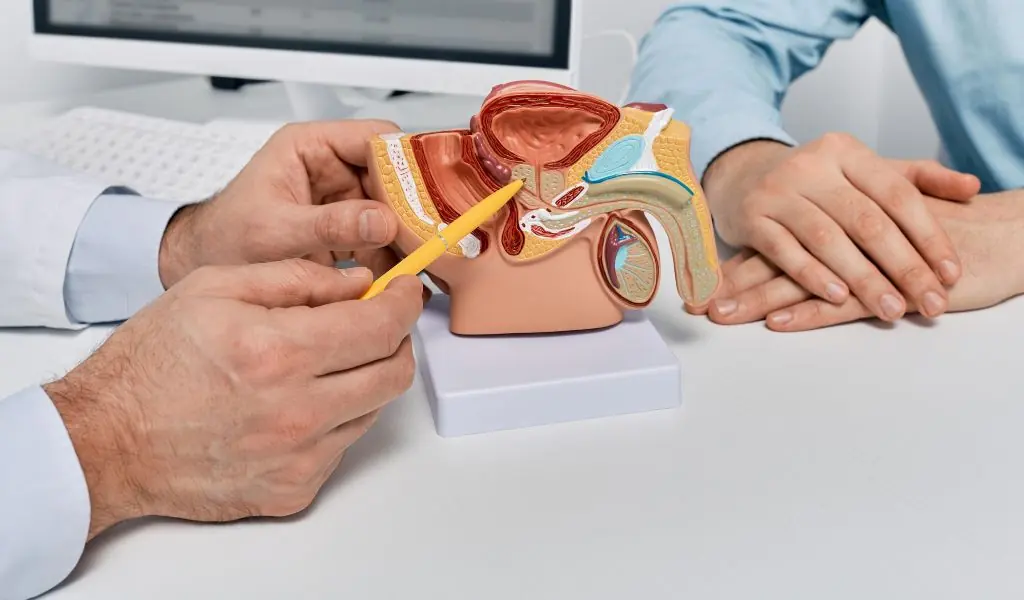
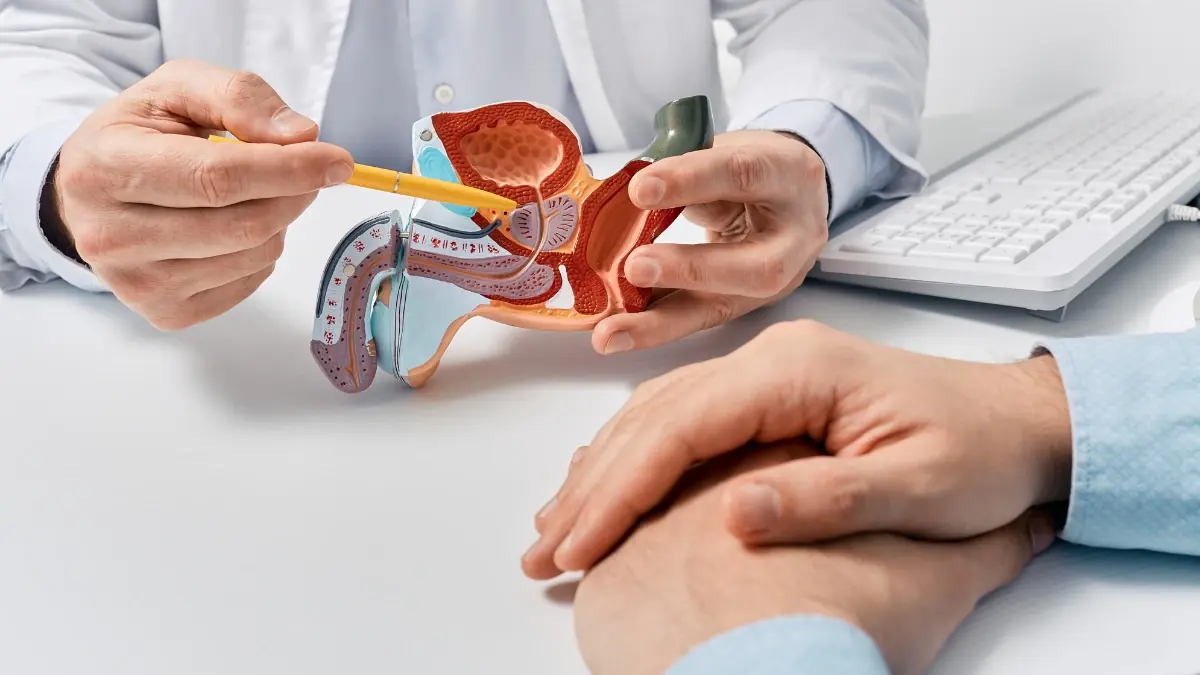
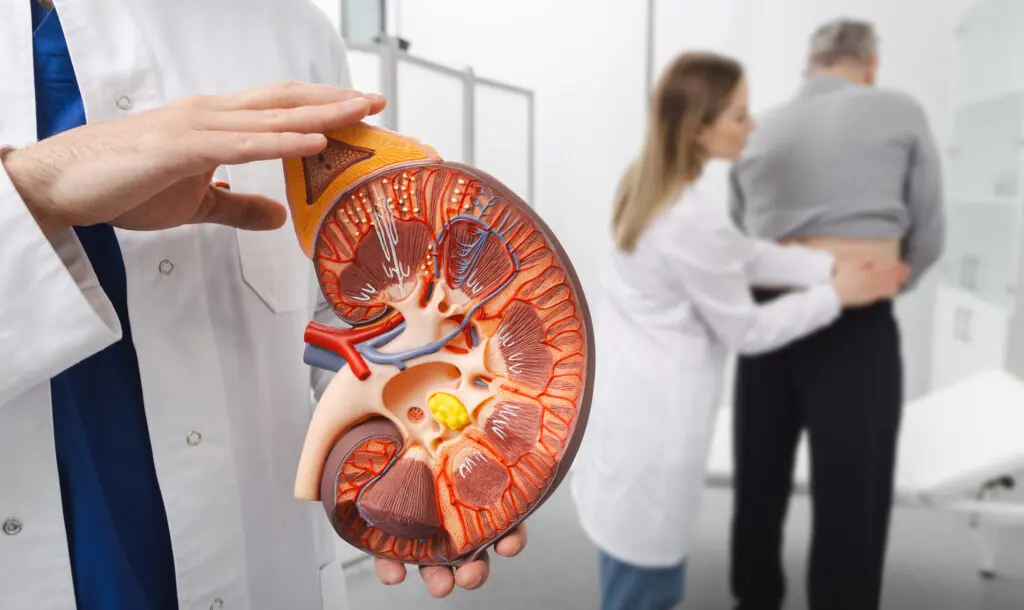
Urologist in Curitiba treating prostate, kidney and bladder conditions

Individualized urological care, with a clear explanation of the diagnosis and the treatment options. Care for urologic tumors, enlarged prostate, kidney stones and vasectomy, including cases in which minimally invasive or robotic surgery may be recommended.

In-person visits at two locations in Curitiba and video consultations

Training

  • Medical degreeUFPR
  • General SurgeryUSP Ribeirão Preto
  • UrologyUSP Ribeirão Preto
  • Fellowship in Urologic OncologyHospital Erasto Gaertner
  • Robotic Surgery CertificationIntuitive Surgical
How I can help

Common reasons to see a urologist

Each situation calls for its own workup, and none of them alone defines a diagnosis. The consultation is where we find out what is happening in your case.

The information on this page is general and does not replace an individual medical assessment.

Approach

Diagnosis and decision come before technology.

Before talking about technique, the case has to be well understood. That is why the consultation starts with your history, your test results and what matters to you.

  1. 01

    Understand the whole case

    Medical history, physical exam and a careful review of the tests you already have.

  2. 02

    Explain clearly

    The diagnosis, the available options and the reason for each recommendation, in plain language.

  3. 03

    Decide together

    Not every case needs surgery. Monitoring, medication or a procedure are chosen together with you.

Evidence-based care, adjusted to each patient's clinical condition.

Areas of practice

General urology and more complex cases

Select an area to see when to seek an assessment, how it is done and which treatments may be considered. Treatment always depends on each patient's diagnosis.

Swipe to see all areas

01 · Urologic oncology

Prostate, kidney, bladder, testicular and penile tumors

A cancer diagnosis usually brings many questions at once. In the consultation, we put that information in order and show which paths make sense for your case.

When to seek care
A diagnosed or suspected urologic tumor, imaging or biopsy results that need specialist interpretation, or follow-up after treatment.
How the assessment works
Review of imaging, lab and pathology results, staging when indicated, and assessment of each patient's clinical condition and priorities.
Treatment options
  • Active surveillance, in selected cases.
  • Open, laparoscopic, endoscopic or robotic surgery, depending on the case.
  • For kidney tumors, preserving the kidney may be considered when it is oncologically appropriate.
  • Coordination with medical oncology and radiation therapy when needed, with follow-up throughout treatment.
02 · Prostate

Enlarged prostate, elevated PSA and urinary symptoms

Prostate changes are common with age, and many do not need immediate treatment. The approach depends on the symptoms, the test results and how much the problem affects daily life.

When to seek care
Abnormal PSA, a weak urine stream, a feeling of incomplete emptying, urgency, or getting up several times at night.
How the assessment works
Medical history, physical exam, interpretation of PSA in light of age, prostate size and previous results, and imaging when indicated.
Treatment options
  • Regular monitoring and lifestyle adjustments.
  • Medication.
  • Procedures to relieve obstruction when symptoms or complications justify it.
  • An abnormal PSA is a reason to investigate, not a diagnosis.
03 · Kidney and urinary stones

Stones in the kidneys and urinary tract

Not every stone needs a procedure. Size, location, symptoms and a history of new episodes guide the decision, and prevention is part of the treatment.

When to seek care
Renal colic, a stone found on a routine scan, an associated infection, or episodes that keep coming back.
How the assessment works
Imaging to determine the size and position of the stone, assessment of kidney function and, in recurrent cases, a workup for metabolic causes.
Treatment options
  • Observation and medication to help the stone pass, for selected stones.
  • Endoscopic procedures or other techniques, chosen according to size and location.
  • Prevention advice, such as hydration and dietary changes.
04 · Men's health

Erectile dysfunction and premature ejaculation

Many men put these issues off out of embarrassment. The consultation is private and non-judgmental, and treats the complaint as part of your overall health.

When to seek care
Difficulty getting or keeping an erection, ejaculating sooner than desired, or changes that cause discomfort or concern.
How the assessment works
A private conversation about your history, a review of current medications and, when indicated, a workup for cardiovascular, metabolic and hormonal factors.
Treatment options
  • Guidance and management of related factors.
  • Medication, when indicated.
  • Joint care with other professionals, when it helps the patient.
05 · No-scalpel vasectomy

A permanent method of male contraception

A vasectomy blocks the tubes that carry sperm. In the no-scalpel technique, access is through a small opening in the skin, without a blade cut and usually without stitches.

When to seek care
When you do not want more children and want a permanent method, or want to understand the procedure before deciding.
How the assessment works
A conversation about your health history and your decision, a physical exam and guidance on the requirements of Brazilian law, such as minimum age or number of children and the waiting period between stating your decision and the procedure.
What you should know
  • It is an outpatient procedure done under local anesthesia.
  • It does not work right away. Another form of contraception must be used until a semen analysis confirms the result.
  • It should be considered permanent. Reversal exists, but its result is not guaranteed.
06 · General urology

Other urological conditions and complaints

Blood in the urine, recurrent urinary infections, abnormal routine test results and other complaints of the urinary tract and male genitals.

When to seek care
Whenever there are urinary symptoms, blood in the urine, pain, abnormal test results or questions about preventive checkups.
How the assessment works
Medical history, physical exam and tests focused on the complaint, without unnecessary orders.
Treatment options
  • Defined after the assessment. Not every finding needs a procedure.
  • Blood in the urine has many causes and should always be investigated.
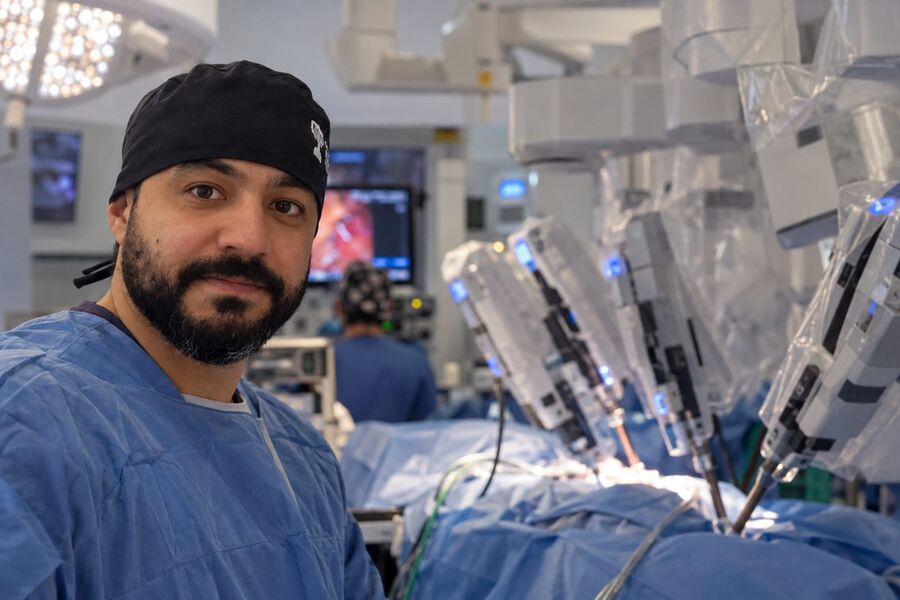
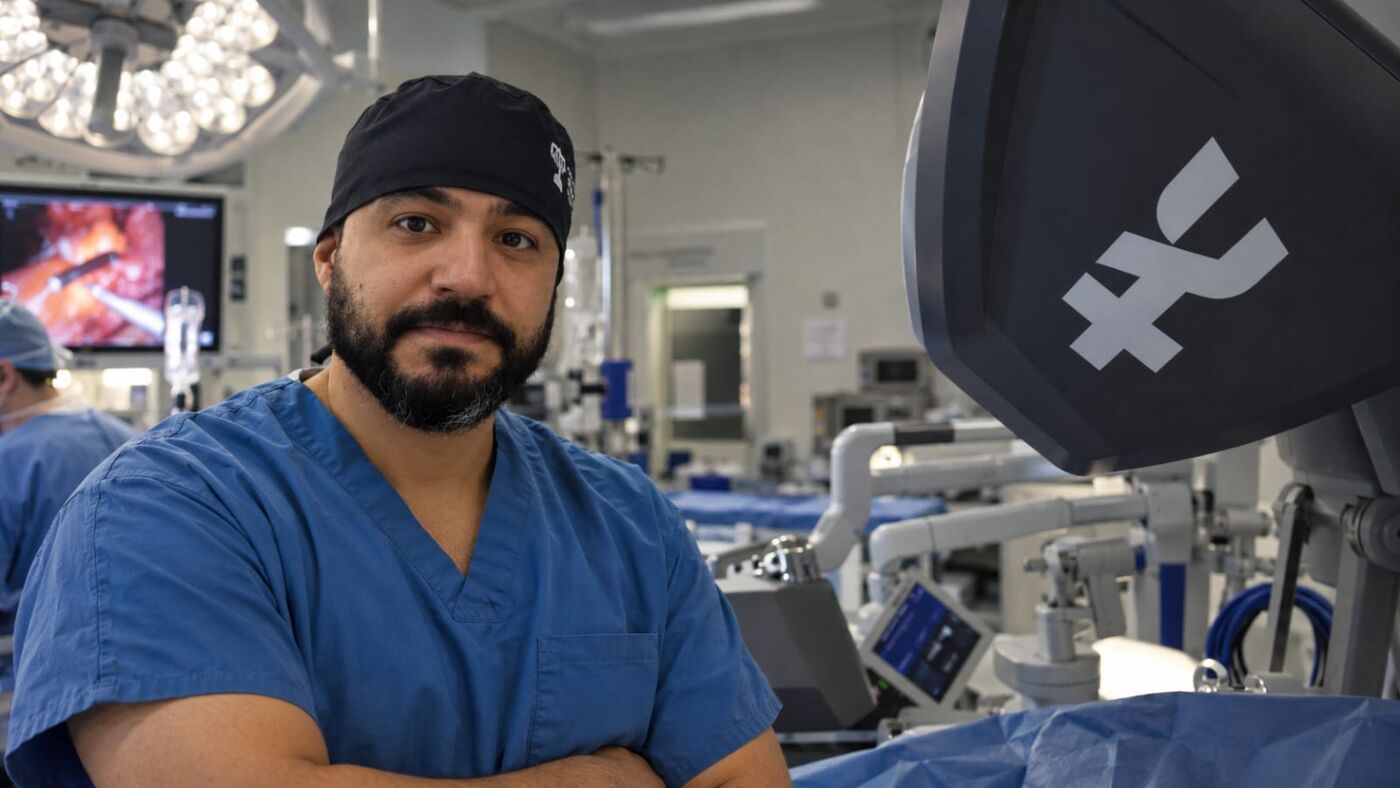
Dr. Alzemir Santos in the operating room, next to the robotic surgery console
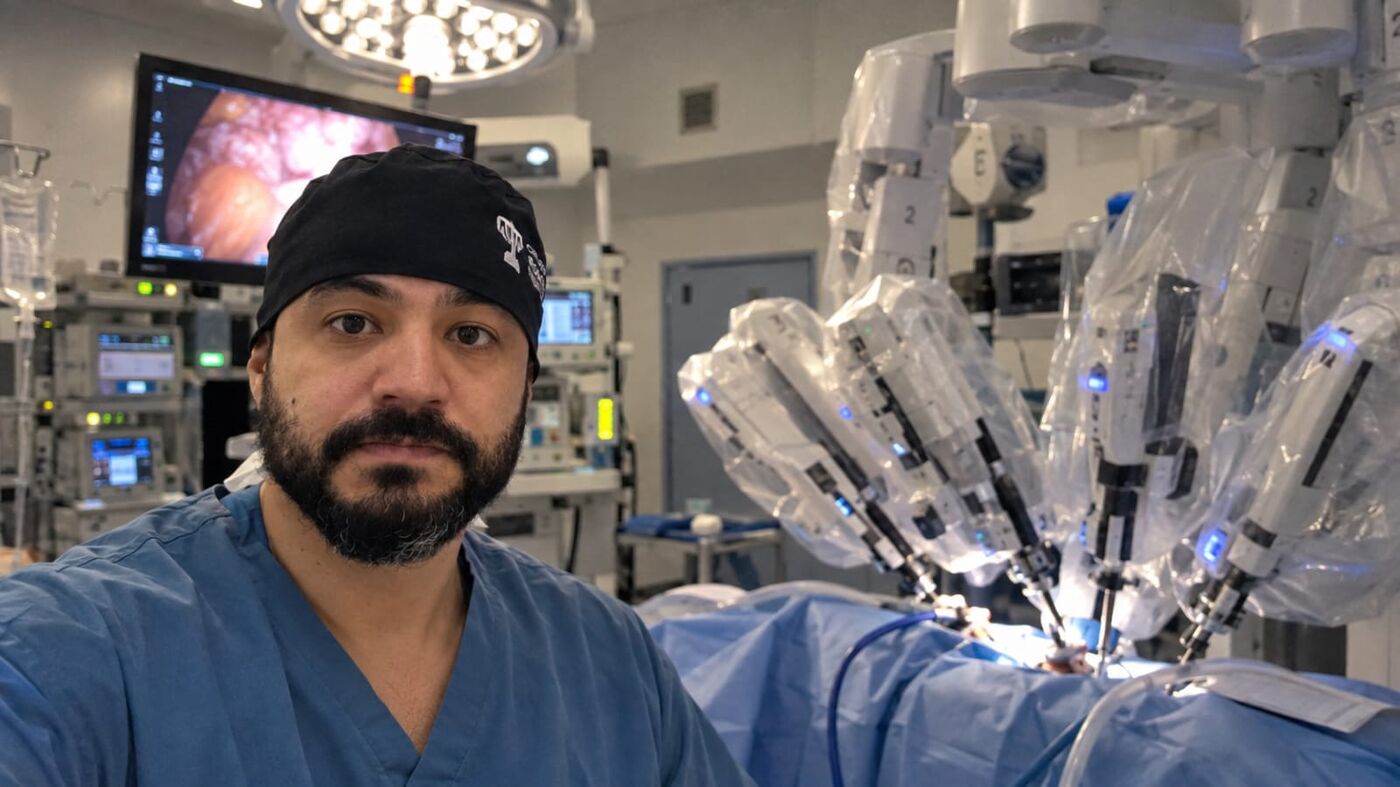
Dr. Alzemir Santos in the operating room, with the robotic arms in the background
Minimally invasive and robotic surgery

Technology used when there is a clinical indication

In minimally invasive surgery, the procedure is done through small incisions with a camera and dedicated instruments, either laparoscopically or with a robotic platform. In robotic surgery, the surgeon controls every movement from a console. The platform is an instrument and does not operate on its own.

It may be recommended in selected cases, such as robotic prostate surgery for localized prostate cancer. The recommendation depends on the diagnosis, anatomy, clinical condition and each patient's priorities. Alternatives, surgical or not, are also discussed in the consultation.

  • Not every patient needs surgery, and not every surgery needs to be robotic.
  • The approach (open, laparoscopic, endoscopic or robotic) is chosen case by case.
  • Risks, preparation and follow-up are explained before any decision.

TrainingRobotic surgery certification (Intuitive Surgical, 2020)

How the consultation works

Time to understand your case and decide with the facts.

You can be seen in person at one of the two locations in Curitiba, or by video, in Portuguese, English or Spanish.

  1. 01 · Assessment

    Understand your case

    A conversation about symptoms, history and medications, a physical exam when indicated and a review of the tests you have already had.

  2. 02 · Explanation

    Explain the diagnosis

    What the tests show, what the options are and the advantages and limitations of each one in your case.

  3. 03 · Planning

    Decide and follow up

    The plan, whether monitoring, medication, further tests or a procedure, is decided together, and follow-up is organized around it.

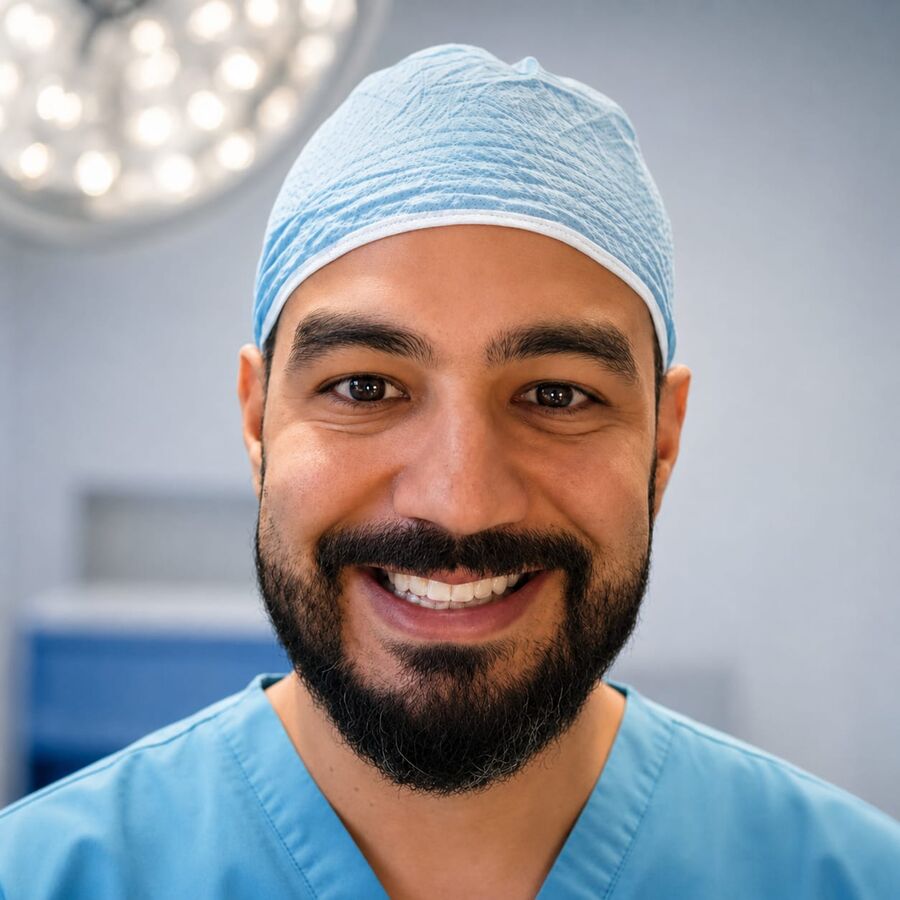
Portrait of Dr. Alzemir Santos in surgical scrubs
Dr. Alzemir Santos da Silva Junior · CRM-PR 31.288 · RQE 25.806
About the doctor

Dr. Alzemir Santos da Silva Junior

Urologist · CRM-PR 31.288 · RQE 25.806

I am a urologist in Curitiba, and much of my practice is dedicated to prostate, kidney and bladder conditions, including urologic oncology and minimally invasive and robotic surgery.

I believe good treatment starts with a good explanation. In the consultation, I take the time to understand the case, show what the tests indicate and present the options with their benefits and limits, so that we can decide together.

Languages: Portuguese | English | Spanish

PortuguêsEnglishEspañolIn person and by video

Hospital experience

  1. Urologic oncology

    Hospital São Vicente

    Urologic oncology and kidney transplantation

    Ongoing work in urologic oncology, across cases of varying complexity.

  2. Outpatient clinic

    Santa Casa de Curitiba

    Head of the Urologic Oncology Outpatient Clinic

    Care for patients with urologic tumors throughout their treatment.

Training

Training focused on surgery and urologic oncology

UFPR · USP Ribeirão Preto · Erasto Gaertner · Intuitive Surgical

Dr. Alzemir Santos in the operating room, next to the robotic surgery platform
  1. Medical school

    Medicine

    Federal University of Paraná (UFPR)

    The foundation of medical training, at a public university in Paraná.

  2. USP Ribeirão Preto

    Residency in General Surgery

    2016

    Surgical training that comes before and underpins urology.

  3. USP Ribeirão Preto

    Residency in Urology

    2019

    Complete training in the specialty, both clinical and surgical.

  4. Hospital Erasto Gaertner

    Fellowship in Urologic Oncology

    2020

    Additional training dedicated to urologic tumors, at a hospital focused on cancer treatment.

  5. Intuitive Surgical

    Robotic Surgery Certification

    2020

    Technical training on the robotic platform, used when there is a clinical indication.

Locations

Two addresses in Curitiba and video consultations

Choose the most convenient location. The team confirms the date, time and directions when you book.

Online

Video consultation

A video consultation for a first conversation, reviewing test results and follow-ups, when an in-person exam is not essential. In Portuguese, English or Spanish.

Book a video consultation
Patient reviews

What patients say after the consultation

Excerpts from reviews posted by patients on Doctoralia, shown in the original Portuguese with initials only.

See all on Doctoralia

Each review reflects one patient's experience and is not a guarantee of results. Every case needs its own assessment.

Frequently asked questions

Common questions before the consultation

When should I see a urologist?

When there are urinary symptoms such as difficulty urinating, pain, urgency or a weak stream, blood in the urine, renal colic, abnormal results in tests such as PSA or ultrasound, or concerns about sexual health. A urologist also monitors prostate health preventively, according to age and family history.

Does an enlarged prostate always need treatment?

No. Prostate growth is common with age and often does not require intervention. Treatment is discussed when symptoms interfere with daily life or when complications appear, such as urinary retention, recurrent infections or kidney changes. Options range from monitoring and medication to procedures, depending on the case.

Does a high PSA mean prostate cancer?

Not necessarily. PSA can rise because of benign prostate enlargement, inflammation, infection, recent manipulation and other factors. An abnormal result is a reason to investigate, not a diagnosis. Interpretation takes into account age, prostate size, previous results and, when indicated, further tests.

When should PSA testing start?

It is an individual decision to discuss with your urologist. In general, assessment starts around age 50 and may begin at 45 for men at higher risk, such as those with a family history of prostate cancer or of Black ancestry.

Kidney stones: does diet make a difference?

It does. The most important step is usually drinking water throughout the day. Cutting down on salt and excess animal protein also helps in many cases, while cutting out calcium on your own is not recommended. Since there are different types of stones, advice becomes more precise after each patient's workup.

How does a no-scalpel vasectomy work?

It is an outpatient procedure under local anesthesia in which the tubes that carry sperm are blocked through a small opening in the skin. It does not work right away. Another form of contraception must be used until a semen analysis confirms the result.

In the consultation, we explain the technique, aftercare and the requirements set by law.

Where are appointments held?

At two locations in Curitiba:

  • Clínica Médica Sallus: Rua Presidente Rodrigo Otávio, 1976.
  • Centro Médico Hospital São Vicente: Rua Brigadeiro Franco, 1703, Água Verde.

Video consultations are also available. See addresses and maps

Are video consultations available?

Yes. The consultation is done by video, in Portuguese, English or Spanish, and the team explains how to join when you book. In some situations a physical exam is needed, and an in-person visit may be recommended.

What should I bring to the first consultation?

Bring the tests related to your complaint:

  • Reports and, when possible, the ultrasound, CT or MRI images.
  • Previous PSA and lab results.
  • A list of the medications you take.
  • Reports of previous surgeries or treatments.

If you do not have any tests yet, that is fine. The assessment will show what is needed.

How do I book?

The “Book an appointment” button takes you to the team on WhatsApp, who confirm the location, date and time. You can also call the chosen location directly.

These answers are for information only and do not replace an individual assessment.

Appointments

Need an assessment of a diagnosis, a test result or a urological treatment?

Book a consultation to talk through your case without rushing, in person in Curitiba or by video.